


Julian Johnson didn’t even consider himself a birder until a couple of years ago, but the UC Davis undergraduate student broke the Yolo County Big Year record for birding in 2025. He recorded 275 species while spending more than 1,000 hours birdwatching in the country last year. His achievement came just months after a UC Davis team broke the” Big Day” record for Yolo County.
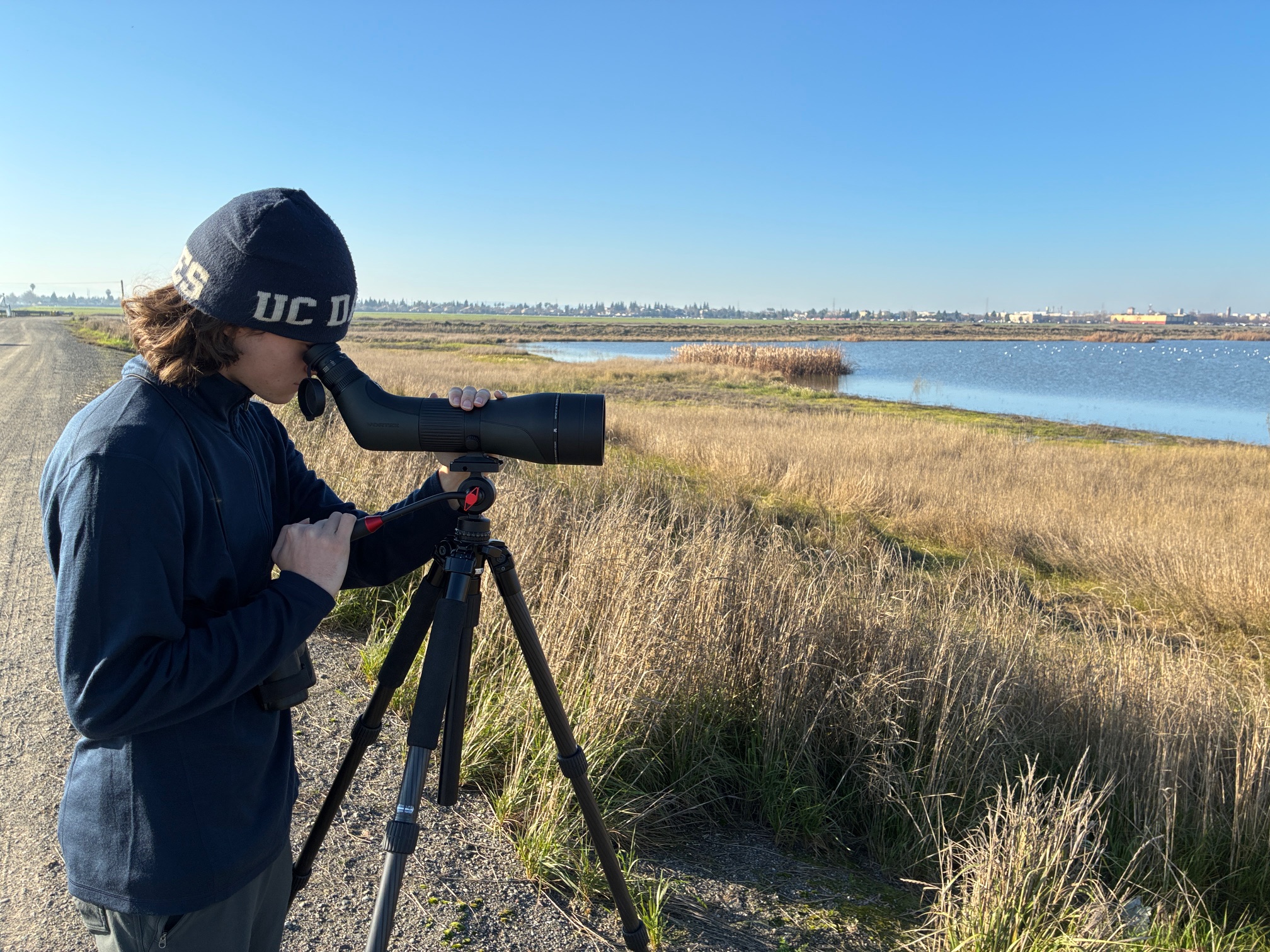
I caught up with Johnson, who is majoring in environmental science and wildlife biology, at the Woodland Wastewater Treatment Plant, which he visited 134 times while birding in 2025.
(This interview has been edited for length and clarity.)
When did you get interested in birding?
I always had an appreciation for birds. I grew up on the East Coast in Pennsylvania, and we had a lot of feeders outside. I would sit and watch the things that would come to the feeder, and my parents would point them out to me. But it can be a fuzzy line between what is a bird watcher and someone that's actually a birder. It's not like, ‘Oh, I'm going to go out on this hike, and I'll appreciate these birds that fly behind me.’ It’s like, ‘I'm going to come to the Woodland Wastewater Treatment Plant and spend two hours looking at the birds here.’ That really didn't happen for me until spring of 2024.
So after just two years of birding, you now hold the Yolo County record for the most bird species observed in a year.
I definitely jumped off the deep end pretty fast.
You are also part of the UC Davis Birdwatching Club.
Yes, some of the first bird walks I had ever gone on was for that club. I found out about it through Zane Pickus. That was kind of where it all started for me.
How many hours did you spend birding last year?
I think it was about 1,035 hours total in the county in 2025.
That's amazing. What do you enjoy about it?
Once you've started and you start to learn a lot of the common local species and you can identify things, you realize just how many birds are out there. Whether you're somewhere like this, or you're walking around the campus, or walking around the town of Davis, you're in the mountains, you're in the desert — any region in the state, any region in the world, is full of bird life. That really goes overlooked by a lot of people that aren't birders or bird watchers.
So it was a great opportunity to take my love of the outdoors and nature and channel it into birding. I also love the challenge of looking for new species and trying to hone your own identification skills. The university offers a course on the conservation of wild birds every fall quarter. I took that my junior year. I think we learned 330 species for the whole lab, and that covers most of the common and expected birds in California. So you realize just how much diversity is out there. It's wild.
How do you think birding has changed or shaped how you approach a place?
You can't really divorce yourself from it. Like you hear a call or a song, and you're like, ‘Oh, there's a yellow-rumped warbler; there's a gray-tailed grackle,’ or whatever species it may be. I feel like I'm constantly thinking about places in terms of what the bird life is out there.
Tell me about your most surprising find this year.
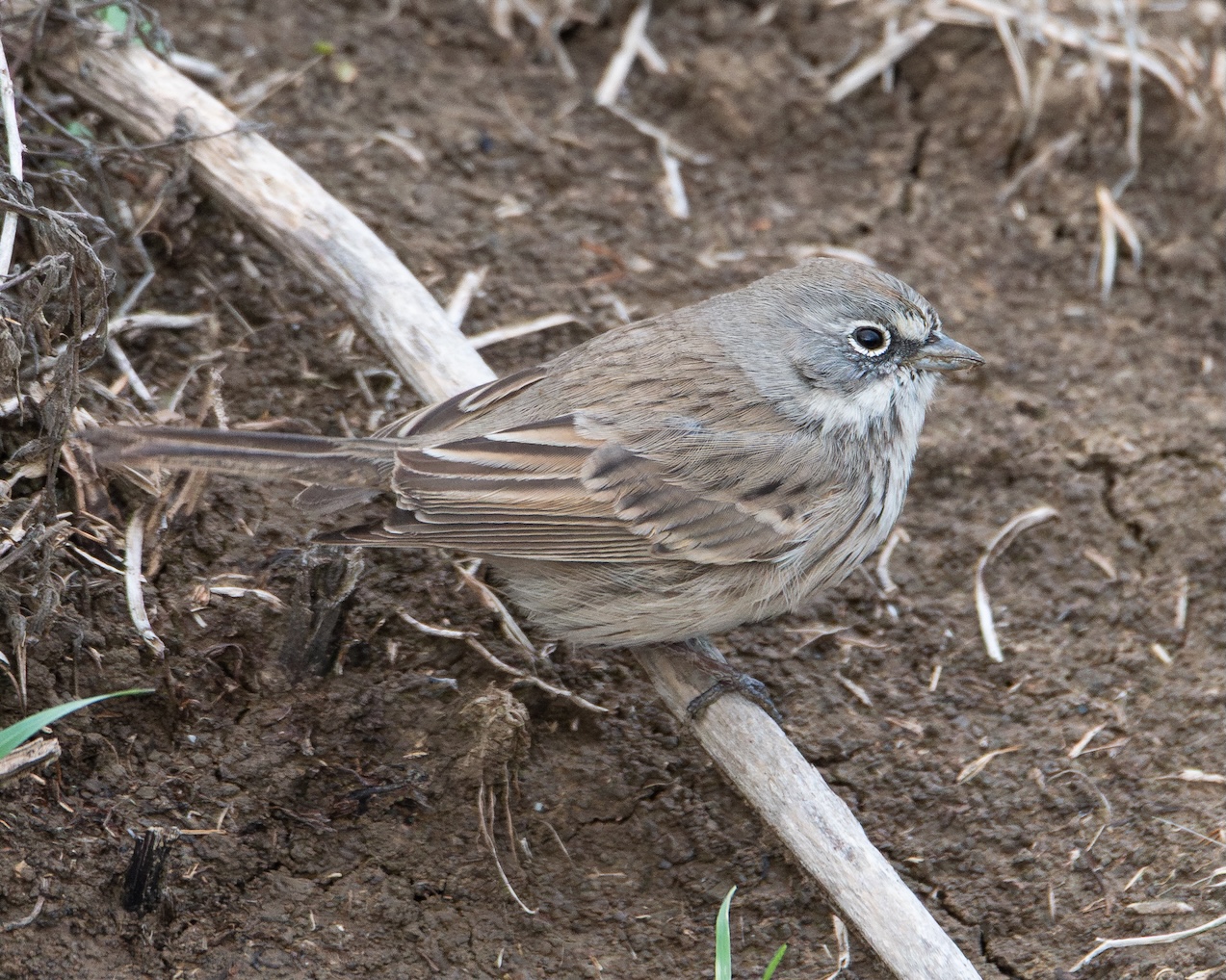
It's hard to pick. I think my favorite was the sagebrush sparrow that a friend and I found in southern Yolo County in this real scrubby grassland habitat. Every year, you expect a certain number of rarities are going to show up. But the sagebrush was really unexpected for us. It was only the second time one had ever been seen in the county before, and the previous record from 2017 was only seen by one person. This bird stuck around for a couple of days, so a lot of people got to come out and see it. It was either one they'd never seen for the county before, or one they'd never seen in their life before.
So you send up the ‘bat signal’ for the new birds, and all the birders come?
Yolo has its own birding WhatsApp group. That's usually the fastest way people find out about rarities, because they get it as a text on their phone. So that was pretty fun.
What's your favorite bird?
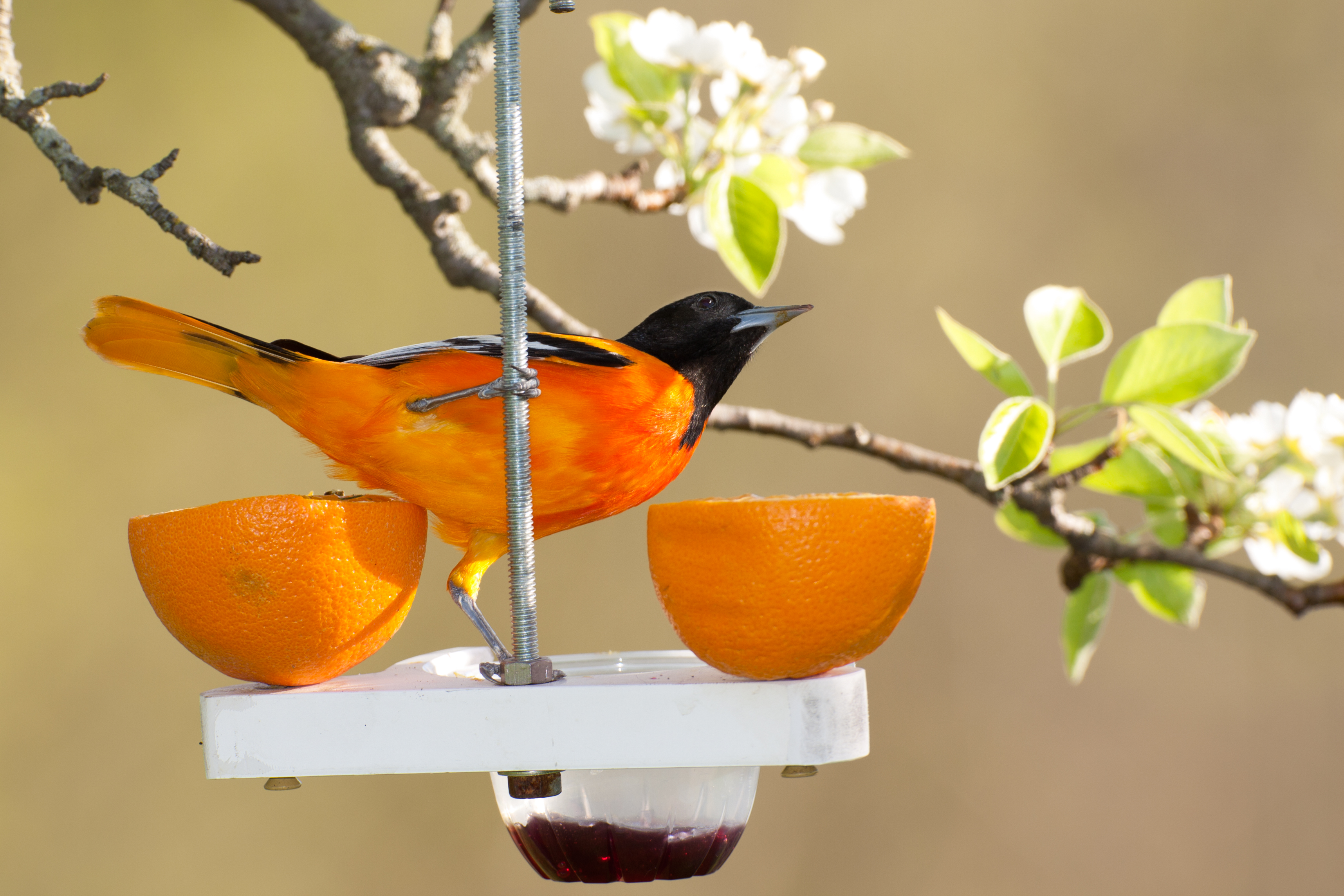
I'm partial to some birds on the East Coast that I grew up with. Of any species I've ever seen before, I'd have to pick Baltimore Oriole. They would come to my grandparents’ feeders. They're huge fans of orange slices and jelly, because they love the nectar and the sugar out of it. So you could cut oranges in half, and stick them on fence posts, and they come to what’s basically their feeder. They're super beautiful. They're bright orange, with really neat black heads. All Orioles are really neat, but those have a special spot in my heart.
When people think about their favorite bird, it probably is one from their childhood. I’m from the Midwest, and when I went back and saw a cardinal again, I felt this nostalgic pang.
Yeah, you're talking about the kind of nostalgia that's associated with different species of things. Birders have a term they call a “spark bird” — the bird that sparked your interest.
People all over the world keep local and life lists for birdwatching, just for fun. What do you think is the broader value of that?
I think about a project like eBird, which is a massive citizen science project. Billions of observations are part of it. There's only so many people you can train to do bird surveys and only so much ground they can cover, so it's just such an invaluable conservation tool on how birds are doing.
And how birds are doing tells us something about how we're doing, right?
I think a really important side of things is understanding that humans, nature and birds in particular, aren't entirely separable. Humans do have a lot of impact on birds, and birds — if you pay attention to them and care about them — can have a really big impact on you and your life. Whether you just want to sit and watch the birds that come to your feeder, or whether you want to go through all the effort of something like a Big Year.
Humans do have a lot of impact on birds, and birds — if you pay attention to them and care about them — can have a really big impact on you and your life."
Did you intentionally set out to do a birding Big Year?
I wasn't like, ‘It's January 1, now it's time to really start going at it.” I had just gotten a car, so that freed me up to go a lot of places. It had been a really good winter. There were a handful of rarities that had been around that I had seen, and I got to the end of February and realized I’d actually seen a lot of species. It was kind of the perfect time.
What tips do you have for new birders?
I think there's really no substitute for just getting out into the field. Also, field guides are super important, and with the advent of new technologies in sound identification— those have really expanded in recent years. But there's nothing like going out and actually seeing the birds in person. If you're someone like me, who enjoys nature, just combine the two. When you go out for a walk at the arboretum in Davis, or whatever local park you like to frequent, combine it. I know fishermen that like to go birding. If you start to pay attention just a little bit, you realize just how much is out there.
What has birding given you that other aspects of your life don’t?
It's quite a rush when you find something that's rare and not expected. Like with the sagebrush sparrow, other people that I know from birding got to come out here and see it, too, and it got them really excited to see a species they've never seen before.
From a broader perspective, it’s really strengthened and reaffirmed how much I love the outdoors and the importance of all species — birds and otherwise — that are around us, and how important it is to conserve them. Being here for college and realizing how many people share that and care about it has been really, really awesome.
You said you were from Pennsylvania. What made you come to UC Davis?
I went to high school in California. I had a lot of opportunities to come and see the campus. It had a really good reputation for environmental science and wildlife biology. I also really like the college town vibe. The student population is super friendly and accommodating. Everybody I talked to before coming here was like, ‘Davis is a really low-key, super friendly place. It's not a cutthroat or competitive environment. Everybody's out there to support everybody else.’ So I think it was a combination of those things.
I’m so happy to hear that’s been your experience. And birding is part of your career path?
My family lives in the foothills, and I spend a lot of time in the mountains, so montane birds are a real favorite of mine. If I could, it’d be really neat to do some field work, then hopefully grad school and after that focus my efforts on working with montane birds.
Is 2026 another Big Year? Are you going for it again?
No, I'm looking forward to expanding where I go birding a little bit. I've gone out to the Bay Area a couple of times, spent some time in the foothills. I mean, it was a lot of fun. I don't regret doing it by any means, but it'll be nice to scale back a little bit and broaden the horizons, bird some other spots.
It’s a big world out there.
Read more about Johnson’s “Big Year” in a Yolo Bird Alliance story by his friend, fellow birder and UC Davis student Zane Pickus.
Media Resources
Kat Kerlin, UC Davis News and Media Relations, 530-750-9195, kekerlin@ucdavis.edu