

Shopping for olive oil or avocado oil should be simple: You want fresh oil that matches the label. But a shelf full of bottles marked “pure,” “premium” and “extra virgin” can make that choice confusing.
In a 2011 study on imported olive oil, UC Davis and Australian researchers found a gap between what some olive oil labels promised and what the bottles contained. Of 90 samples from five top-selling imported brands, 73% failed international taste and smell standards for extra virgin olive oil. Problems included rancidity and off-flavors.
This research is important because it shows that consumers can’t always rely on labels when they want to purchase good cooking oils.
These six shopping tips draw on UC Davis food science research and expert guidance, including olive oil myths and facts, to help you choose fresh, high-quality olive and avocado oils.
1. Look for a harvest or production date
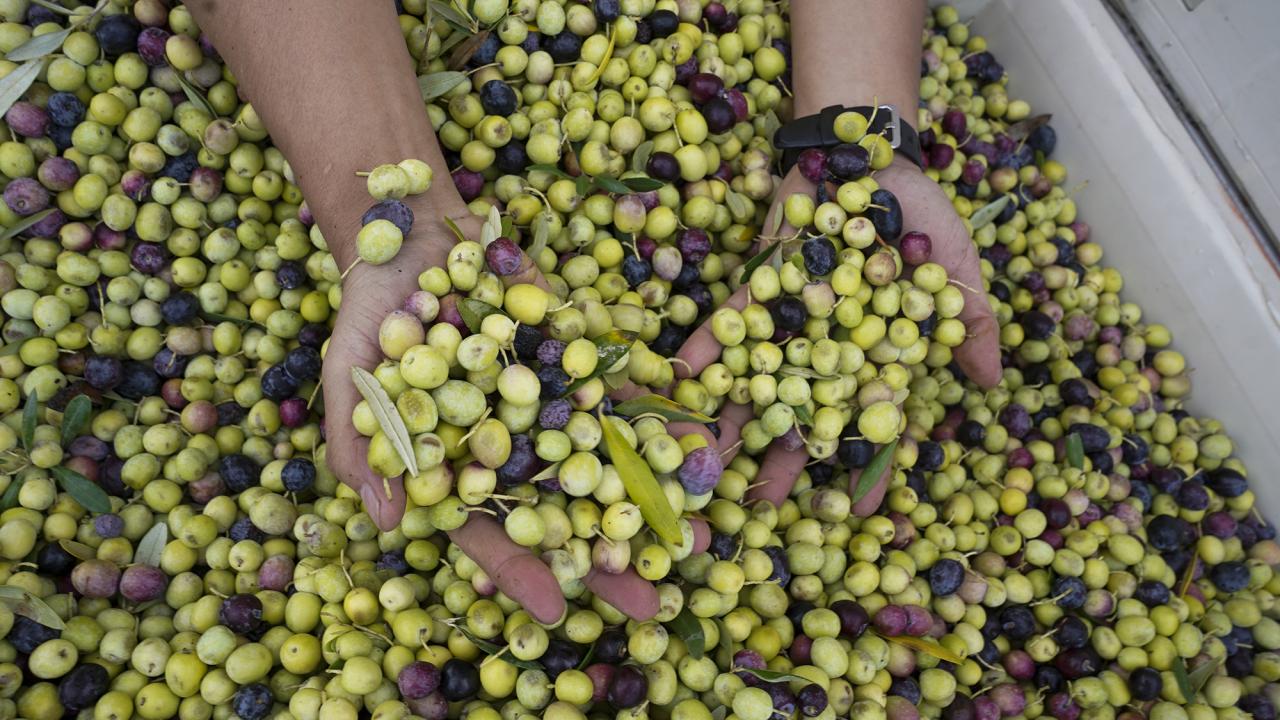
For olive oil, look for the harvest date: when the olives were picked. Choose a recent harvest. A “best by” date does not give you that same information.
For avocado oil, look for a harvest or production date when available. UC Davis recommends choosing oil close to that date for the best freshness.
2. Understand the different grades of olive and avocado oil
For olive oil, “extra virgin” is the highest grade. It should have fresh flavor and no off-flavors from poor fruit, processing or storage. Still, the label alone cannot prove quality.
Avocado oil comes in virgin and refined forms. Refining involves additional processing, but it does not automatically mean poor quality. A 2020 UC Davis study on avocado oil quality found examples of refined avocado oils that were both pure and fresh.
3. Choose packaging that protects the oil
For olive oil, dark glass, metal tins and bag-in-box containers help protect against light. Clear plastic offers less protection. A well-designed package helps preserve quality, though it cannot prove the oil inside is good.
Do not judge olive oil by its shade of green or gold. Color can change with the olive variety, growing conditions and processing.
Size matters, too. Similar to avocado oil, buy an amount you can finish within weeks or a few months after opening. A bargain-size bottle loses its value if much of the oil goes stale.
4. Look for a quality seal or third-party testing
Not all olive oil seals mean the same thing. UC’s olive oil buying guide highlights seals from the California Olive Oil Council, Olive Oil Commission and Australian Olive Association, which require quality standards above the USDA minimum. Check for these alongside a recent harvest date and packaging that protects the oil from light.
5. Do not let the price tag make the decision
For avocado oil, a higher price does not guarantee better quality. In a 2023 avocado oil quality study, UC Davis researchers tested 36 store-brand avocado oils. Only 31% of the samples were pure, meaning they were not mixed with other oils.
Lower-priced products were more likely to contain other oils. But as UC Davis food scientist Selina Wang explained, “high cost didn’t guarantee purity or quality.”
The findings apply to the samples tested at that time, not every bottle sold today. They show why prices and claims such as “pure” cannot confirm quality on their own. This research also highlights why the avocado oil industry needs better grading standards, similar to the olive oil industry.
6. Taste and smell it when you can
If a shop offers samples, take the chance to try the oil. Here’s how you can tell if olive or avocado oil is fresh or rancid.
Fresh extra virgin olive oil can smell grassy, taste fruity, bitter or peppery. Those flavors can be signs of quality. Fresh virgin avocado oil can smell herby, taste buttery and savory. With time, oxygen and light, oil can degrade and develop rancidity, giving the smell of stale nuts or Play-Doh.
If you cannot sample before buying, check the oil when you open it at home. Smell and taste can help you judge freshness, but they cannot prove purity.